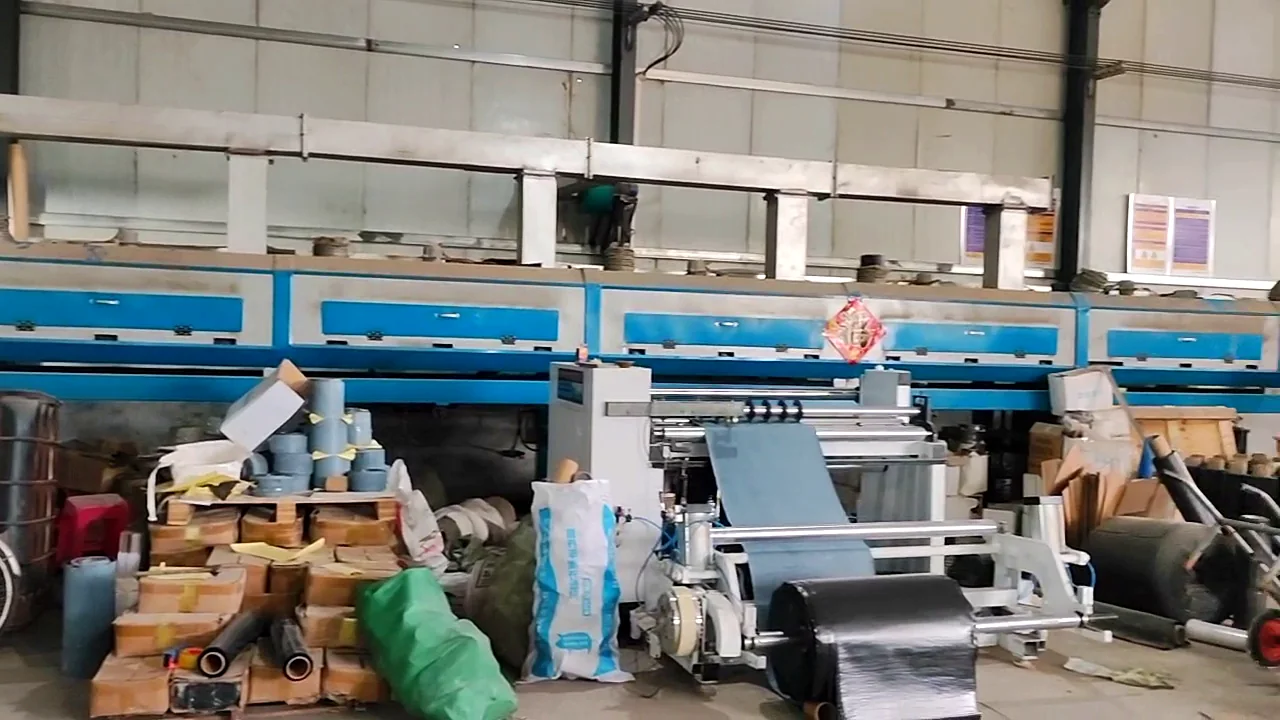
Short answer
To order pipeline anti-corrosion tape from China, first confirm whether the project needs PP mesh reinforced tape or PE double-sided tape. Then send pipe diameter, target width, thickness or reference sample, roll length, quantity, packing, destination, timeline, and document needs before asking for sample availability or a proforma invoice.
1. Confirm the tape family before price
A useful sourcing conversation starts with the product structure. PP mesh reinforced anti-corrosion tape and PE double-sided anti-corrosion tape are different product lines, so buyers should avoid treating them as one interchangeable item.
- Choose PP mesh reinforced tape when the RFQ asks for reinforced texture, handling strength, field joint work, or repair wrapping.
- Choose PE double-sided tape when the buyer needs a polyethylene adhesive tape line, liner appearance review, or PE reference-sample matching.
- If the buyer is unsure, ask for both product lines to be compared by sample or technical discussion.
2. Send a complete RFQ instead of a price-only message
| Buyer detail | Why it matters | Example |
|---|---|---|
| Application | Helps match pipe body, field joint, repair, or distributor sample needs. | Buried steel pipeline repair stock. |
| Pipe diameter and width | Supports practical width and overlap discussion. | 219 mm pipe, target 100 mm tape width. |
| Thickness or reference sample | Prevents the supplier from quoting the wrong structure. | Thickness to confirm, sample photo attached. |
| Roll length and quantity | Affects carton count, gross weight, and PI preparation. | Sample roll first, then 10 cartons trial order. |
| Destination and trade route | Needed for courier, forwarder, port, or freight discussion. | Courier sample to UAE, bulk order to forwarder warehouse. |
3. Use sample or trial carton as the first control point
A sample roll helps the buyer check visible product details before scaling the order. For anti-corrosion tape, sample review should focus on tape structure, roll edge, winding, liner or backing appearance, adhesive face, width target, packing notes, and document wording.
4. Check the technical documents for your project
Temperature range, UV exposure notes, durability wording, project standards, and certificate claims should not be finalized until the exact product batch and technical files are confirmed. This keeps the site and the supplier reply credible.
5. Move from RFQ to PI-ready details
- 1Send product family, application, roll size, quantity, packing, destination, and timeline.
- 2Confirm whether the first step is sample roll, trial carton, shipping estimate, or PI.
- 3Review photos, sample notes, document wording, carton marks, and freight route.
- 4Confirm final order details before payment or production arrangement.
Next step
Turn this sourcing checklist into a real RFQ.
Use the order center to send product, sample, custom packing, and PI details in one structured message.